
Prep for Vehicle Graphics
Proper cleaning and preparation of substrate prior to decal application is critical to the success of the decal.
The following cleaning and surface preparation conditions must be followed immediately prior to application.
Failure to adhere to these requirements can cause adhesion loss and therefore reduce the durability and
performance level of the decal. It is the responsibility of the applicator to ensure the surface is clean and oil
free, and properly tested and prepared for graphic application.
Importance of Proper Preparation
Proper cleaning and preparation of substrate prior to decal application is critical to the success of the decal.
The following cleaning and surface preparation conditions must be followed immediately prior to application.
Failure to adhere to these requirements can cause adhesion loss and therefore reduce the durability and
performance level of the decal. It is the responsibility of the applicator to ensure the surface is clean and oil
free, and properly tested and prepared for graphic application.
Cleaning & Preparation
All substrate surfaces should be considered contaminated, and must be cleaned prior to pressure sensitive
material applications. Even freshly painted or recently cleaned surfaces will collect dust and dirt quickly, and
should be cleaned prior to lm application. Be sure all edges, corners, crevices, and hard to reach areas are
cleaned as well, these are dicult and often overlooked areas. All surfaces should be dry. The trapping of any
moisture under graphics can cause premature failure by bubbling, incomplete adhesion, or creation of an ice
layer in extreme cold situations. Moisture on a substrate can be created by the following; inadequate drying,
failure to pre-cure some substrates like poly-carbonates, condensation at low temperatures, or high humidity.
Standard Method - for lightly soiled surfaces
The surface to which the films are applied must be completely clean, smooth, and dry before final preparation.
- Remove all dirt and grime with a commercial synthetic detergent solution and warm water (1 ounce per gallon). Avoid detergents with lotions, waxes, creams, or oils. Be aware some window cleaners have waxes.
- Use of automated car wash facilities requires additional cleaning as some chemicals used in these systems will prevent complete adhesion of film.
- Interior walls with grease and/or oil present will require special attention to remove contaminants. Prepare a solution of trisodium phosphate and warm water as specified in the manufacturer’s instructions, and clean the substrate.
- Thoroughly dry the substrate with a lint free cloth or paper towel. Allow porous materials to dry completely before application.
Solvent Based Method - for removal of heavy grease and oils
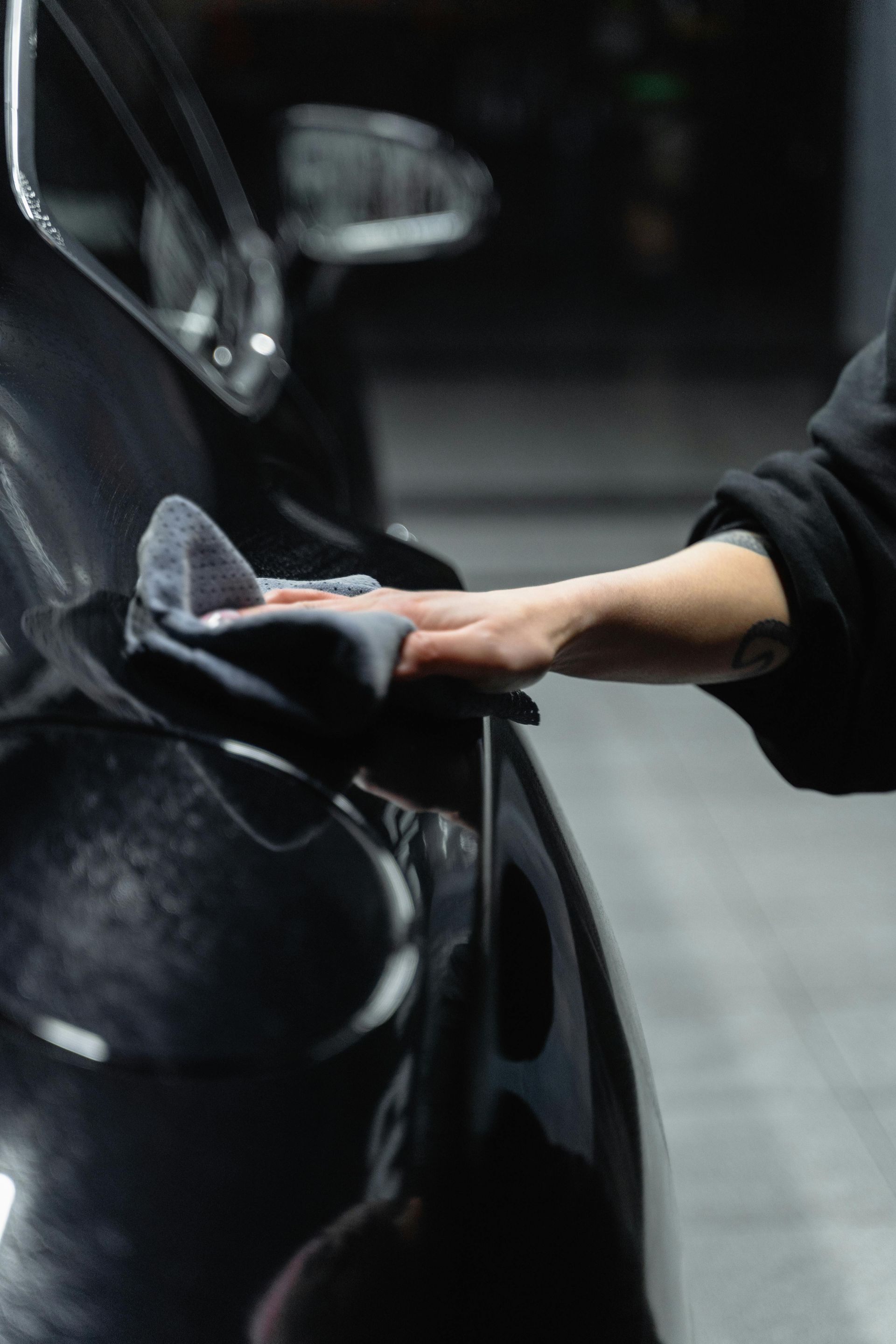
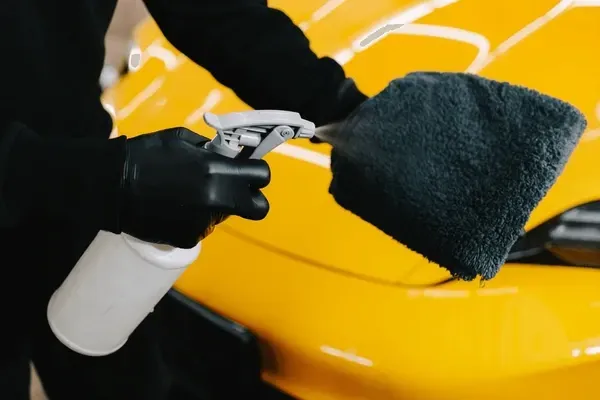
- Saturate a clean, lint free towel or cloth with solvent.
- Clean the substrate with the solvent cloth removing any grease, oils, or dirt.
- After thoroughly wiping with cleaner, dry wipe the surface completely using a clean, soft, lint-free cloth before solvent evaporates.
NOTE: There must be no dirt, oil, grease or solvent residue remaining on the substrate prior to decal application.
- As the towels or cloths become dirty, discard and use fresh ones. Accumulated dirt or contaminants on the
towel or cloth will prevent effective cleaning of substrate.
- Make sure the surface is completely dry. If necessary, use a heat gun to remove moisture.
CAUTION: Prior to cleaning with solvents, test the cleaning solvent on an inconspicuous area of the application surface to check for potential damage from solvent usage.
CAUTION: Some solvents may leave an oily residue behind, if an oily residue is present, follow this step with the IPA Cleaning Method to remove residue.
Isopropyl Alcohol (IPA) Method – for removal of light grease and oils
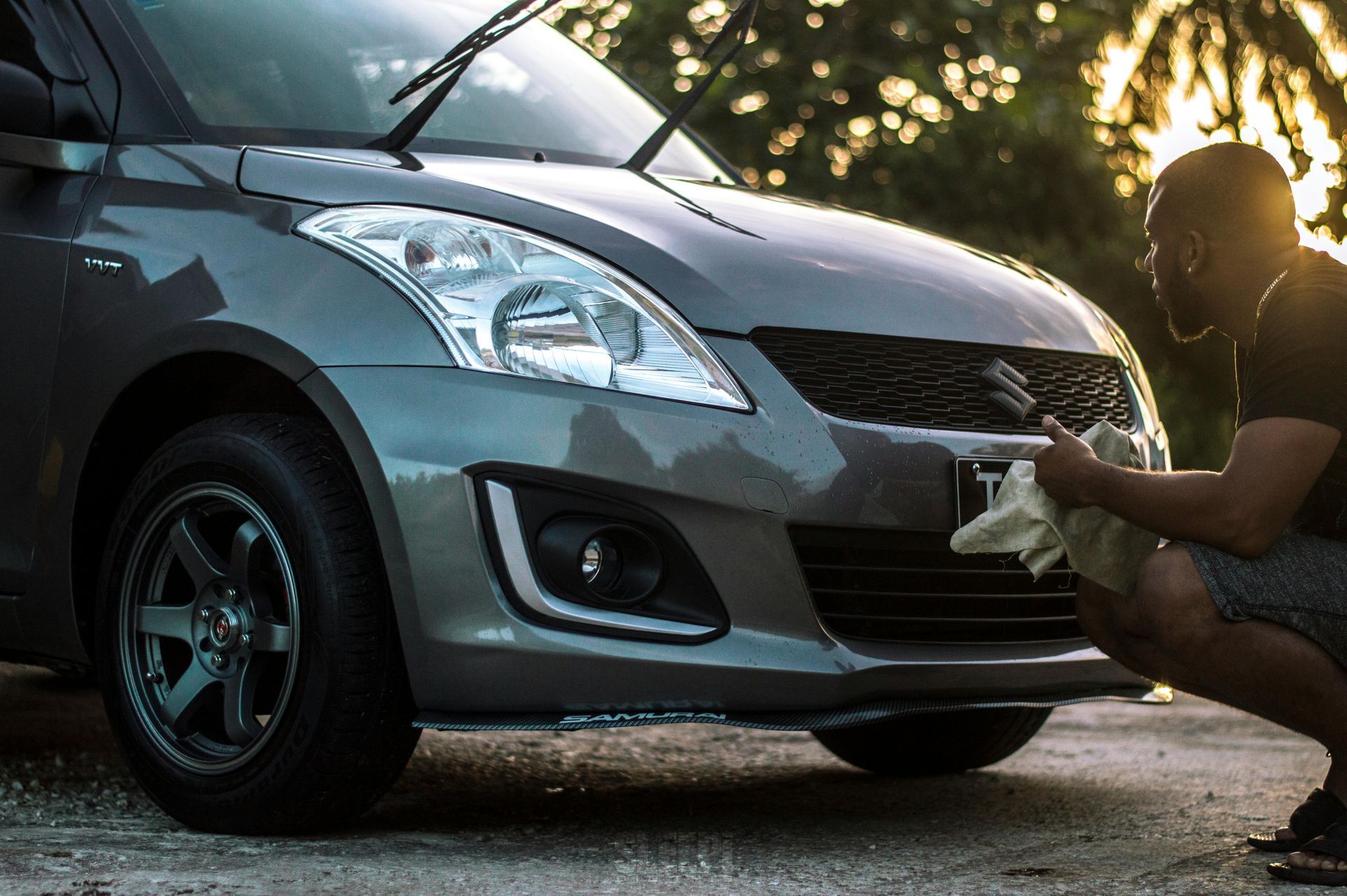
- Saturate a clean lint free cloth or towel with IPA
- If using rubbing alcohol, do not dilute.
- If using industrial grade IPA, mix 2:1 water to IPA.
- Wipe the substrate thoroughly, wipe with a clean dry towel immediately before the IPA evaporates.
- Discard cloths as they become dirty.
- Make sure the substrate is dry. Use a heat gun or torch to complete process if necessary
Painted Surface Precuations
- If applying lm to a newly painted surface, follow all drying and curing instructions provided by the paint
manufacturer prior to surface preparation and lm application.
- All air drying paints should be allowed to dwell at near room temperature and humidity conditions for one week
prior to lm application.
- Baked enamel paints may be used directly upon cooling.
- Application of reflective film to zinc chromate primer or zinc rich primer is not recommended.
- Chalked and otherwise weathered paint surfaces must be refurbished with bung, followed by substrate
preparation and cleaning instructions as specified in the before mentioned IPA method.
- Some paint systems provide an extremely smooth surface, hence, initial adhesion will be low, extra dwell time
is necessary before maximum adhesion is achieved.
- Any section of painted metal with bare or rust spots should be entirely resurfaced.
- Non film covered portion of painted metal, should have a minimum of one finish coat.
- Primer and paint should be from the same manufacturer.
- Some pigmented paints may cause bleed through on some graphics or films. Test prior to use.
Recommended cleaning procedures for specic surfaces are listed below:
- Plastics and Glass: Saturate a clean cloth with a 2-to-1 mixture of water and Isopropyl alcohol and wipe surface. (Cleaners such as Windex Window Cleaner may be used.) Wipe surface dry with a clear dry, lint-free cloth.
- Painted Metals and Base Metals: These surfaces must be cleaned with a solvent such as Isopropyl Alcohol or DuPont Prep-Sol. Dry the surface with a lint-free cloth before the solvent evaporates. Freshly painted surfaces must be dried 72 hours (three days) prior to application.
- Interior Painted Surfaces: Paint must be dried 72 hours (three days) prior to application of decals. Clean the area with a household cleaner such as 409. Rinse thoroughly and dry.